Best Solar Generator
The Best Solar Generators
The marketing is about the panel. The ceiling is set by the power station's input port, and that is where these are ranked.
Solar
A solar generator is a battery with a panel attached. The marketing is about the panel; the ceiling is set by the battery's input port.
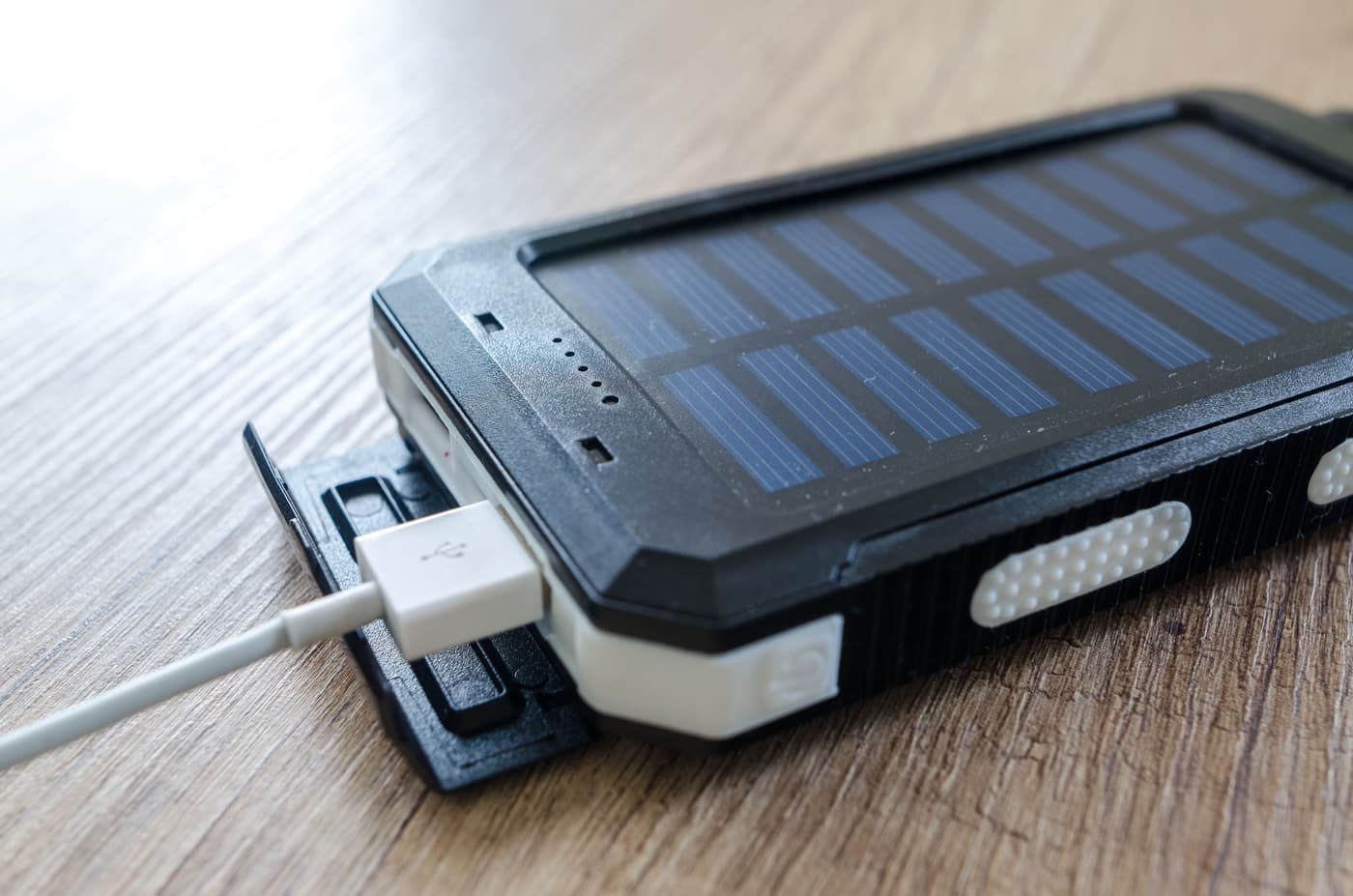
There is no such thing as a 'solar generator' as a distinct product. It is a portable power station sold in a box with a folding panel, and the term exists because it sells better. That is not a criticism — the bundle is usually good value — but it matters, because it means every solar generator question is really two separate questions: is the battery right, and is the panel right?
The second one has a counter-intuitive answer. The limiting spec is not the panel's wattage. It is the power station's maximum solar input, which runs from 100W on the smallest units here to 2,400W on the largest. Bolt a 400W array onto a unit capped at 100W and you have bought 300W of shade.
A 200W panel does not produce 200W. That rating is measured under standard test conditions — roughly 1,000W/m2 of irradiance at 25C cell temperature, panel square-on to the sun. Real deployment loses to angle, haze, panel temperature, cable length and the charge controller. A reasonable planning assumption is that a fixed, unattended panel returns somewhere around half to two-thirds of its rating across a good day, and far less on an overcast one.
| Panel | Rated | Realistic good day | Realistic overcast day |
|---|---|---|---|
| One folding 100W | 100W | About 350-450Wh | 80-150Wh |
| One folding 200W | 200W | About 700-900Wh | 150-300Wh |
| Two 200W panels | 400W | About 1.4-1.8kWh | 300-600Wh |
Those numbers are why three nights off-grid with a fridge needs either a big battery or a serious panel, and usually both. How long it takes to charge a power station with solar works the arithmetic in the other direction, from empty battery to full.
Several current panels are bifacial — they have a second active face that harvests reflected light. EcoFlow publishes 220W on the front and 175W on the rear of its bifacial panel, which sounds like a near-doubling. In practice the rear face earns its keep on snow, light sand or pale gravel and earns almost nothing on grass, dirt or a dark roof. Treat it as a bonus in the right terrain, not as capacity you can plan around.
If you want the bundle, the best solar generators covers station-and-panel pairings. If you already own a power station and need a panel for it, go to portable solar panels. If you are specifically camping, best solar generator for camping weights portability harder. And before you buy any of it, how much solar input you need will tell you whether the panel you are looking at can even be used at full rate.
In this section
Best Solar Generator
The marketing is about the panel. The ceiling is set by the power station's input port, and that is where these are ranked.
Best Solar Panels
Buying a panel is mostly a compatibility problem wearing a wattage costume. Here is what to check before the rating.
Best Solar for Camping
You are carrying the battery and the panel. That doubles the weight problem and changes which station is actually right.
Capacity divided by harvest, not capacity divided by panel rating. The gap between those two is most of a day.
The most misunderstood spec in the category. It is not about the panel — it is about the port the panel plugs into.
Questions