Best for Home Backup
The Best Portable Power Stations for Home Backup
It will not run your house. It will keep the food cold and the internet up, silently and indoors, which is most of what an outage actually costs you.
Home Backup
It will not run your house. It will keep the food cold, the router up and your phones alive, which turns out to be most of what an outage actually costs you.

Start with the disappointing truth, because every brand blog buries it: a portable power station is not a standby generator. It will not run central air, an electric range, or a well pump for any useful length of time, and nothing in the 1kWh class will run a house. What it does do — quietly, indoors, with no fuel and no carbon monoxide — is keep the small number of things that actually matter running for one to three days.
For most households that list is short: the refrigerator, the internet, phones and laptops, a few lights, and any medical device someone depends on. Add those up honestly and the number is usually far smaller than people fear.
That is the honest headline. A 1kWh unit is a long evening or a careful day. A 2kWh unit is a comfortable day. Three to four kWh is a genuine multi-day answer, and that is where you start needing wheels. What size power station for a power outage breaks it down by household.
Nearly every home-backup search is really a refrigerator search. Fridges are awkward because the number that matters is not the one on the label: a compressor that draws 150W while running may pull several times that for the fraction of a second it starts, and it only runs perhaps a third of the time. Size for the surge, budget for the duty cycle. Best power station for a refrigerator and can a power station run a refrigerator both work through it.
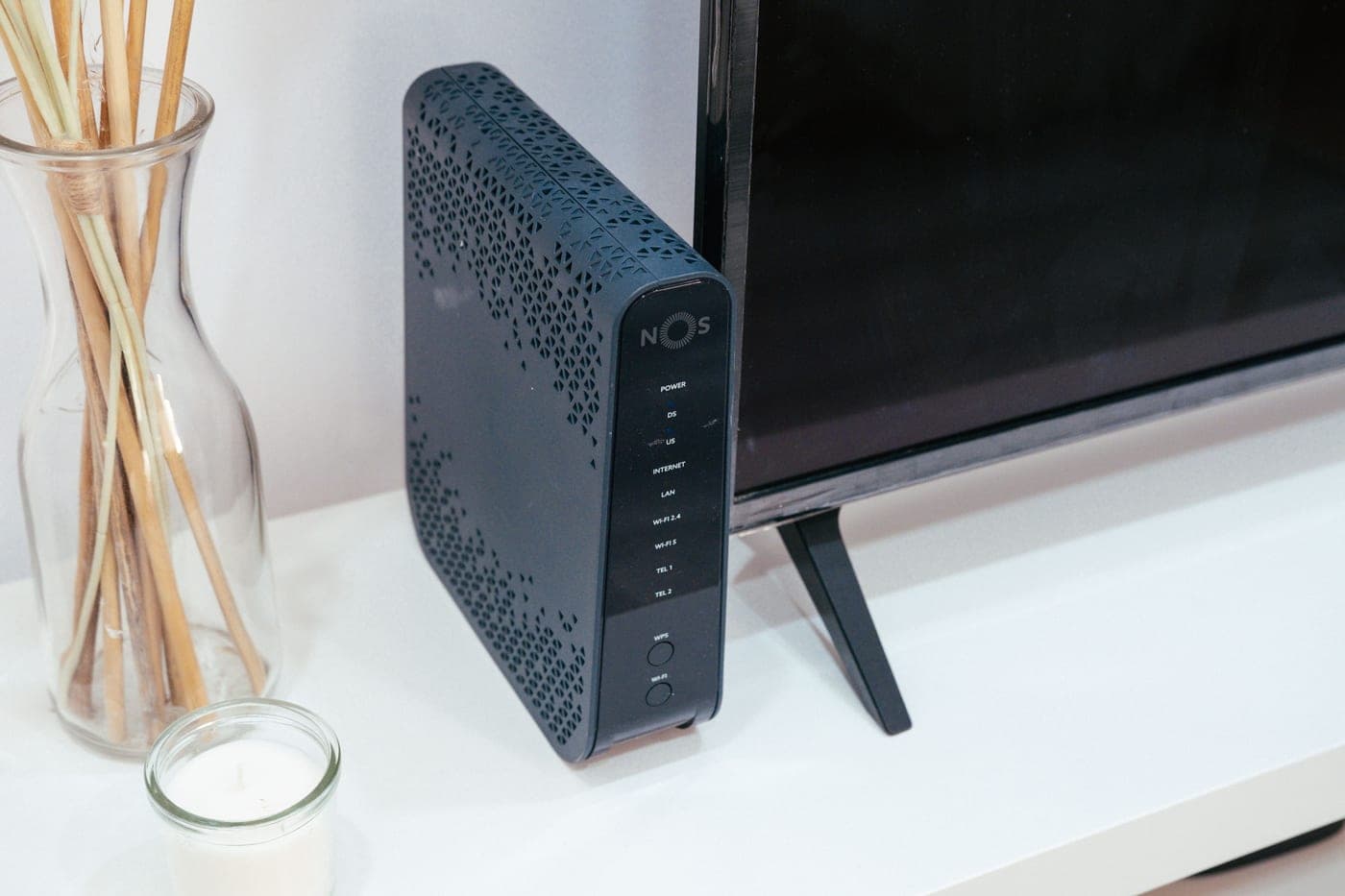
Most current units will pass grid power straight through and switch to battery in 10-20 milliseconds when the grid drops. Leave the unit plugged in with your router and modem on it, and a brownout becomes invisible instead of a twenty-minute reboot. It is the single most-used feature on a home unit, and it costs nothing extra. Using a power station as a UPS covers the limits.
The reason to choose a battery over a gas generator is not runtime — a generator wins runtime easily as long as you can buy fuel. It is that a battery runs indoors. No exhaust, no carbon monoxide risk, no 60-70 dB in the yard at 2am, no jerry cans in the garage, no starting a cold engine in a storm. Power station vs gas generator sets both sides out properly, including the cases where the generator is the right call.
A backup unit that is at 40% when the lights go out is a much smaller unit. LiFePO4 chemistry tolerates sitting at full charge far better than the older packs did, so leaving it plugged in is reasonable, but check it quarterly. If outages in your area last longer than a day, pair it with a panel — solar generators covers the combinations.
In this section
Best for Home Backup
It will not run your house. It will keep the food cold and the internet up, silently and indoors, which is most of what an outage actually costs you.
Best for a Refrigerator
Two numbers decide this and neither is printed on the fridge: the compressor's start-up surge and how much of the day it actually runs.
Work out what you genuinely need running, not what you would like running. The gap between those two is usually a thousand dollars.
Power station vs UPS
A router draws about 20W. A power station holds fifty times what a desktop UPS does. The maths here is not close.
Questions